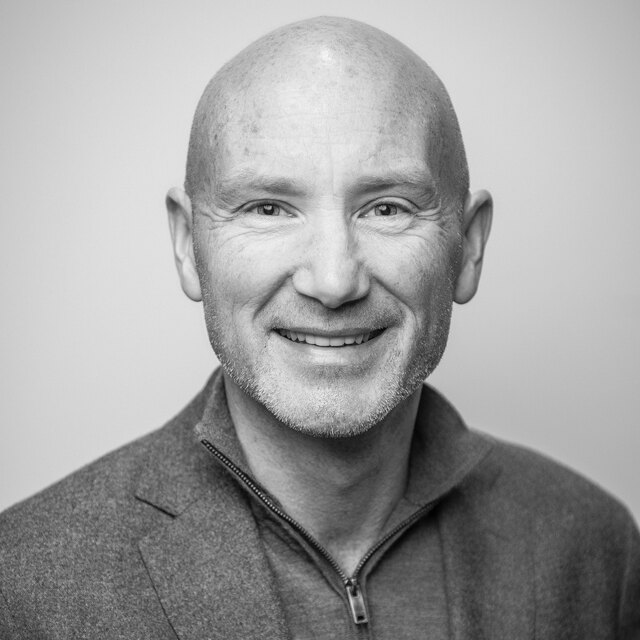
Head of Innovation, Trinzo · AI Strategy & People Development
I am interested in what happens when people discover they can do more than they thought. In organisations, in technology, in sport. The conditions that make that possible turn out to be surprisingly similar in each.
About
China was never the plan, but nine years in Nanjing changed how I think about most things. I built two companies there, learned Mandarin, and watched how differently people in different cultures approach the same problem. That interest in how culture shapes what people see, and do not see, has stayed with me and runs through most of what I do now.
The last twenty-five years have mostly been spent on one question, in language schools, technology start-ups, and AI programmes for large regulated companies: how do you help people do more than they thought they could? The technology changes. The question does not.
I came home to Ireland in the end, with a wife and now a family. Outside of that: triathlons and adventure races, science fiction, and anything on behavioural economics. And varying degrees of Mandarin, French and Irish. Varying degrees are doing a lot of work in that sentence.
On AI
Most AI deployments fail not because the technology is wrong, but because organisations do not yet know what they are actually good at. That question turns out to be surprisingly hard to answer honestly.
On people
I tend to get as much from this work as the people I work with, probably more. The aim is to leave people genuinely more capable: not just informed, not dependent on me, but actually better at something that matters to them. I do not always manage it.
On values
High performance, humility, and service. These are aspirational. I fall short of them more often than I would like. What I have found is that the gap between the standard and the reality is not a problem to solve. It is where the actual work happens. You notice, and you try again.
On endurance
Triathlons and adventure races. The thing they keep teaching me is that the limits I thought were fixed usually turn out to be negotiated. I have found the same to be true in organisations, and in people.
Writing & Thinking
Two series. The first is about what AI does to the capability of an organisation over time, and what to build instead. The second is about the person doing the work: how to use these tools and still be able to answer for the result.
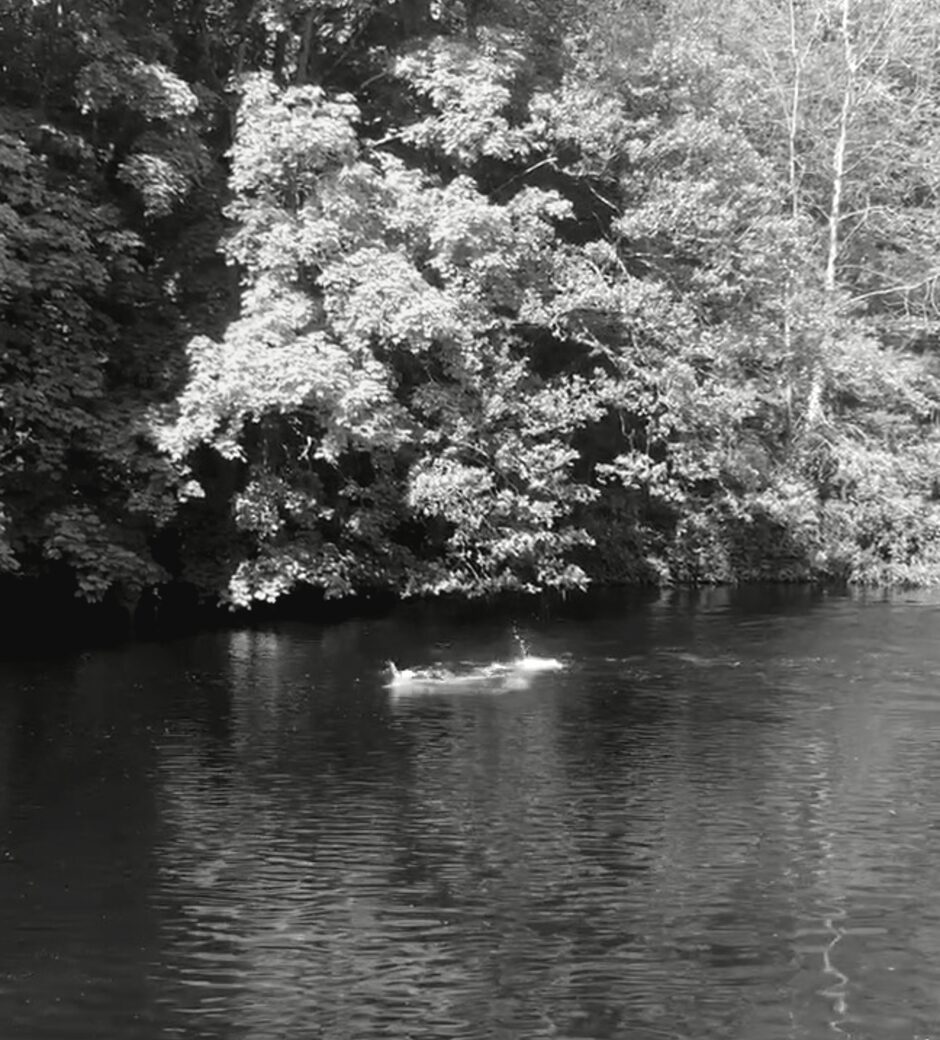
Brannockstown River swim, May 2020
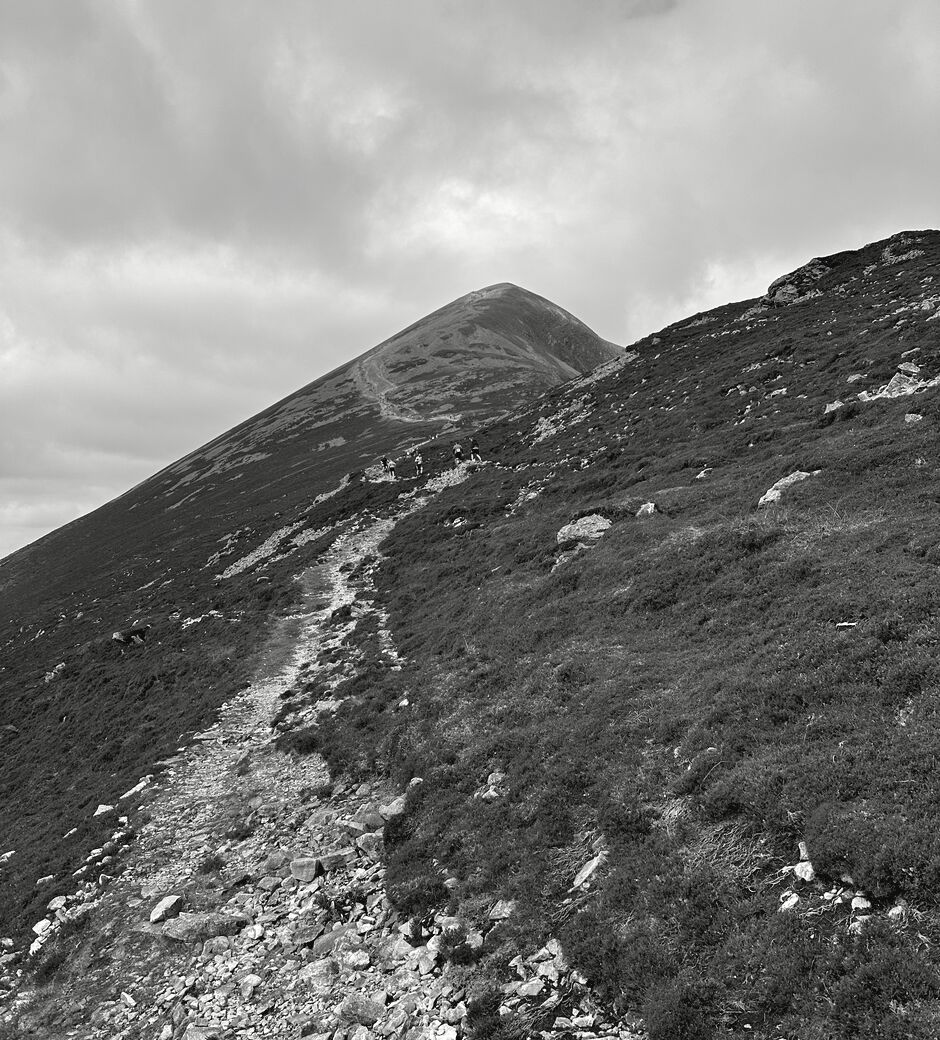
Croagh Patrick Gaelforce West, June 2026
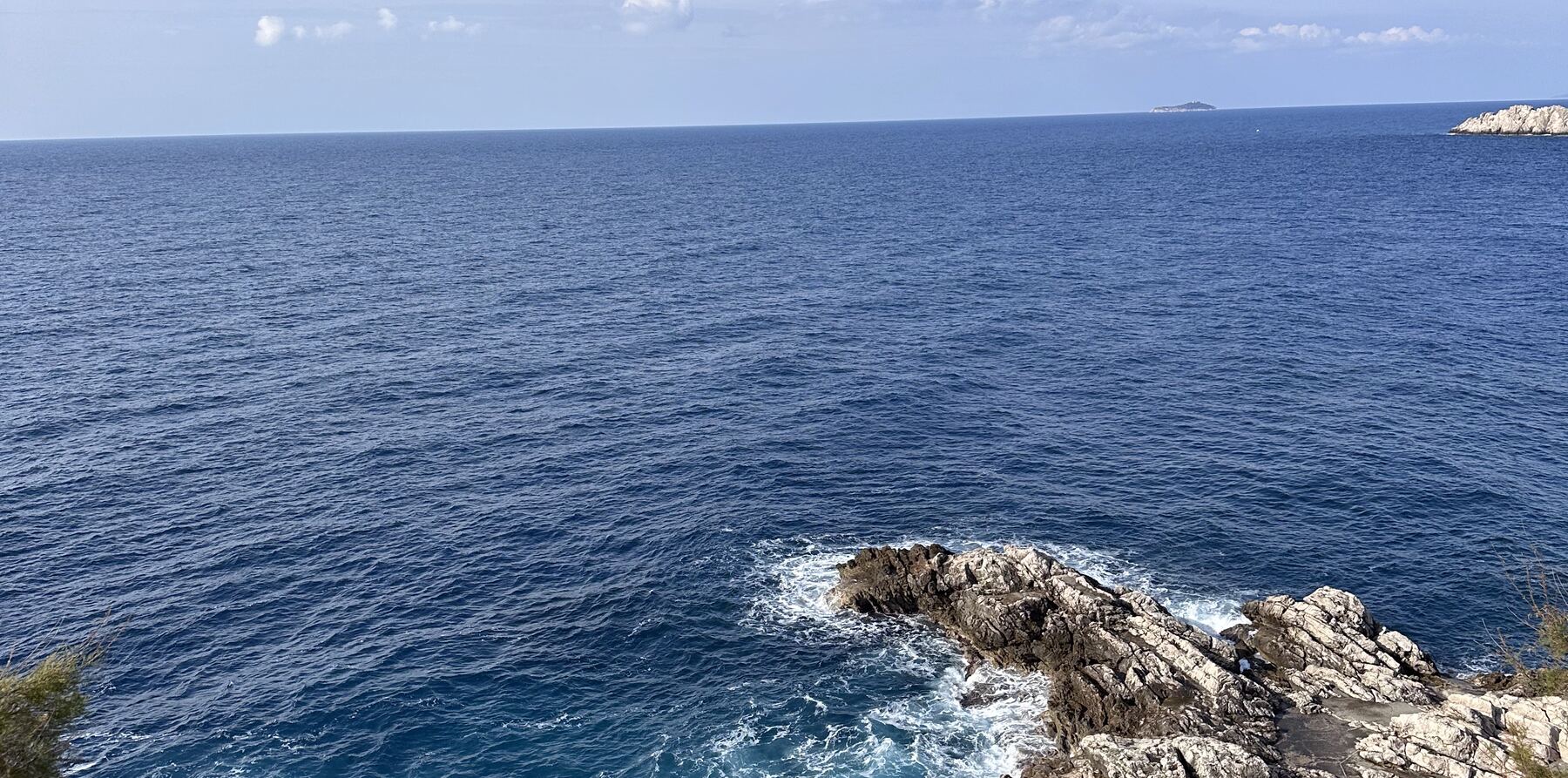
Kenmare Middle distance, pre-race, September 2023
Career
From Nanjing classrooms to Dublin boardrooms. The common thread has not been any particular sector, but the same underlying challenge: how do you build something real, with real people, that lasts after you leave?
Education
Master of Business Administration Trinity College Dublin, 2012
BA, English, French and Linguistics University College Dublin, 2001
Artificial Intelligence: Implications for Business Strategy MIT Sloan School of Management, 2020
Projects & Work
Two ventures built from nothing and one business model I am changing from the inside, three accounts of how training gets designed and delivered, four AI programmes inside regulated companies, and two worked examples showing the method applied to real regulated processes.
Now
Building Trinzo's AI regulatory practice, and writing up how the training actually gets designed rather than how it is usually described. The AI Capability Series is finished at three papers. The second series, on the person doing the work, is one part in with two to go. Swansea 70.3 done in July. Pontevedra for the World Triathlon Championship Finals is next. Reading Liu Cixin. Still working out what the second wave of AI adoption in healthcare looks like, and why it will look nothing like the first.
Read the series →Contact
If something here resonated or you are working on a problem that feels relevant, I am happy to talk. I try to be genuinely useful in conversations, not just in engagements.
conorflynn@xuflynn.com